Dip Powder vs Gel Manicure: Costs & Safety
Dip powder nails range from $40–$90, while gel nails cost $35–$75. Discover which option's best for you today!
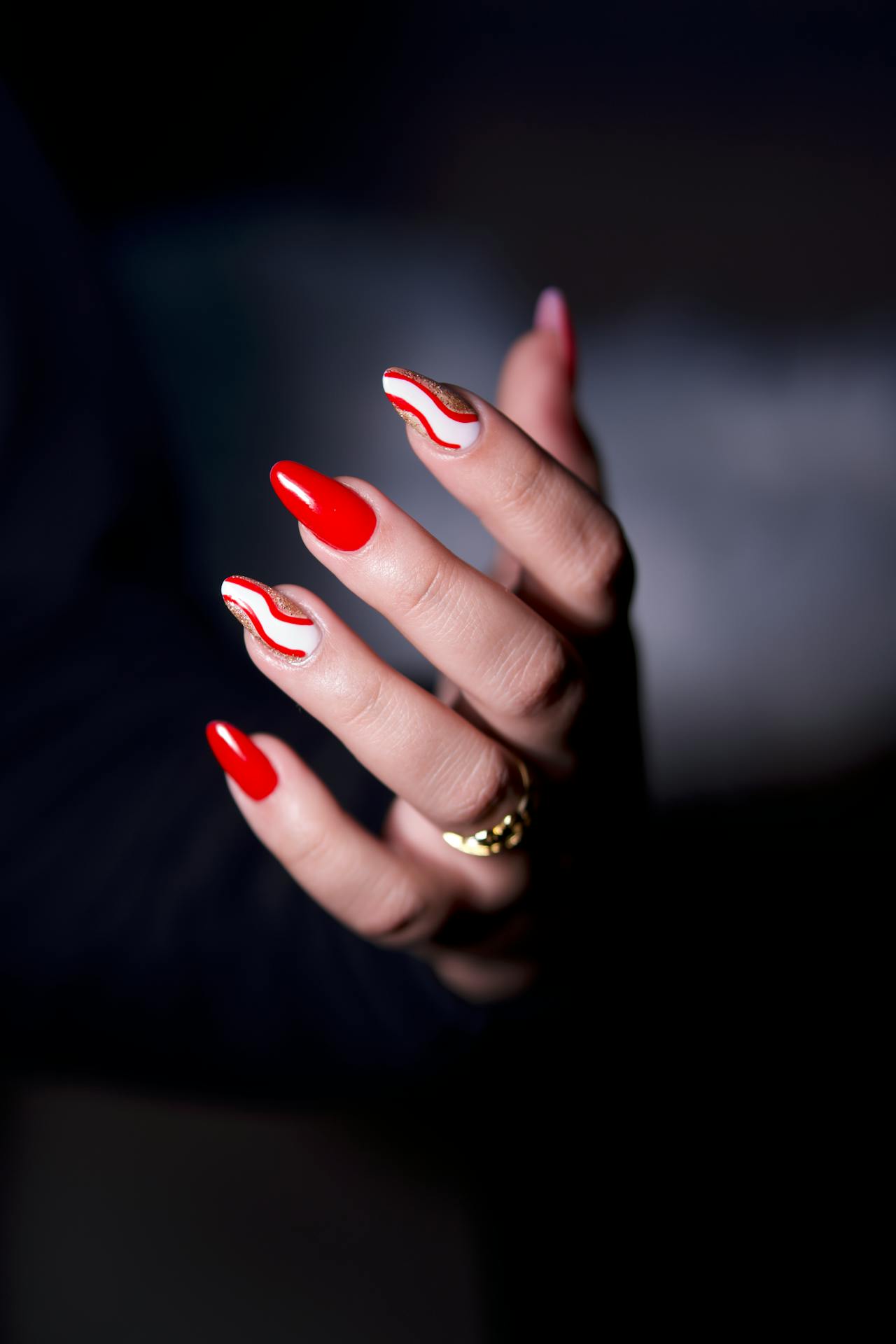
Dip Powder vs Gel Manicure 2026: Cost, Wear & Safety US Guide
Real 2026 Prices for Gel manicure (Zoca Beauty Price Index)
Based on real published menu prices from 40 salons (98 gel manicure listings) across the Zoca network, gel manicure typically runs $40–$69, with a median of $50.
| Gel manicure | Price |
|---|---|
| Typical range | $40–$69 |
| Median | $50 |
| Network low–high | $8–$125 |
Source: Zoca Beauty Price Index — real service-menu prices from 40+ salons, July 2026. Prices vary by provider experience, products, and add-ons.
Dip powder manicures cost $40 to $90 in the United States in 2026, and gel manicures cost $35 to $75. Search demand for "dip powder manicure near me" climbed 29 percent and "gel manicure near me" climbed 19 percent between 2023 and early 2026 according to Google Trends. The two systems look similar at finish but differ meaningfully in chemistry, durability, removal, and skin reaction risk.
Reviewed by Maya Bhatt, a licensed nail technician and esthetician with 11 years of US salon experience — 2026-05-19.
This My Nail Artists guide draws on price data from the Zoca mynailartists network of 1,500+ licensed nail technicians across 75+ US metros, plus chemistry references from the FDA cosmetic ingredient database, the American Academy of Dermatology (AAD), and the Associated Skin Care Professionals (ASCP).
Quick Answer: 60-Second Comparison
Dip powder uses cyanoacrylate-based resin and acrylic powder applied in layers, then sealed with activator and topcoat — no UV lamp required. Gel manicures use methacrylate-family polymers cured under a UV-A 365–405 nm or LED 405 nm lamp. Dip lasts 3 to 5 weeks; gel lasts 2 to 3 weeks. Dip is thicker and stronger; gel is thinner and more flexible. Both can damage the natural nail if removed incorrectly. The FDA and AAD recommend short UV-lamp exposure with sunscreen on hands and proper soak-off acetone removal for both systems.
2026 Pricing Table
| Service | Cost | Duration in Chair | Wear Time |
|---|---|---|---|
| Gel manicure (basic) | $35 to $55 | 45 to 60 minutes | 2 to 3 weeks |
| Gel manicure with nail art | $55 to $95 | 60 to 90 minutes | 2 to 3 weeks |
| Dip powder manicure (basic) | $40 to $65 | 50 to 70 minutes | 3 to 5 weeks |
| Dip powder with French or ombré | $60 to $90 | 65 to 90 minutes | 3 to 5 weeks |
| BIAB (Builder in a Bottle, gel) | $55 to $95 | 50 to 75 minutes | 3 to 4 weeks |
| Gel removal (soak off) | $10 to $25 | 15 to 25 minutes | — |
| Dip removal (soak off) | $15 to $35 | 20 to 35 minutes | — |
| Tip (industry standard 18 to 22 percent) | $8 to $20 | — | — |
Manhattan, Beverly Hills, and downtown Miami run 30 to 50 percent above the national average. Smaller US metros (Tulsa, Memphis, Albuquerque) run 20 to 30 percent below.
How Each System Works
Gel manicure. A licensed nail technician applies a base coat, two to three color layers, and a topcoat. Each layer cures for 30 to 60 seconds under a UV-A 365–405 nm or LED 405 nm lamp. The Gelish, OPI GelColor, CND Shellac, Essie Gel, and DND DC product lines are common in US salons. The cured polymer is a flexible methacrylate-based film that bonds to the natural nail with chemical adhesion.
Dip powder. The technician applies a base resin (typically cyanoacrylate-based, similar to medical-grade skin adhesives), then dips each nail into colored acrylic powder. After two to three dip-and-base cycles, an activator hardens the resin, followed by a topcoat. No UV lamp is required. Common dip brands include SNS, Kiara Sky, Revel Nail, and OPI Powder Perfection.
Both systems are stronger than traditional nail polish. Dip is thicker (0.4 to 0.6 mm typical) and harder; gel is thinner (0.2 to 0.3 mm) and more flexible. Dip resists chipping better; gel resists lifting better.
Best For: Choosing the Right System
Best for dip powder:
Best for gel manicure:
Avoid If: Contraindications and Risk Factors
Avoid dip powder if you:
Avoid gel manicure if you:
What the FDA and AAD Say About UV Lamps
The FDA regulates nail-curing lamps as medical devices subject to general controls. The agency has noted that UV-an exposure from nail lamps is significantly lower than typical outdoor sun exposure, but a small body of case reports has linked frequent gel manicures to actinic damage and squamous-cell carcinoma in rare cases.
The AAD recommends:
The ASCP requires all licensed nail technicians to disinfect implements with EPA-registered hospital disinfectant between every client and to follow OSHA-compliant single-use file and buffer protocols.
Wear Time: Day by Day Reality
Dip powder timeline:
* Day 1 to 7: Pristine finish, full shine.
* Day 8 to 14: Mild base growth visible; no chipping.
* Day 15 to 21: Visible regrowth at cuticle; topcoat shine fades slightly.
* Day 22 to 28: Most clients schedule removal or fill.
* Day 28 to 35: Lift risk increases; book before week 5.
Gel manicure timeline:
* Day 1 to 7: Pristine finish.
* Day 8 to 14: Mild base growth visible; possible micro-lifts at edges.
* Day 15 to 21: Most clients book removal and fresh set.
* Day 21+: Lift risk increases; risk of bacteria or moisture trapping under lifted gel.
Removal: The Most Important Difference
Dip and gel both require acetone soak-off removal — but the difference matters.
Gel removal. Buffing through the topcoat, applying acetone-soaked cotton wrapped in foil, soaking 10 to 15 minutes, gentle scraping with a wooden orange stick. Most gel removal takes 15 to 25 minutes per hand.
Dip powder removal. Same process but with a thicker layer — takes 20 to 35 minutes per hand. Aggressive scraping or peeling damages the upper layers of the natural nail plate and is the #1 cause of dip-related nail thinning. Always have a licensed nail technician remove dip; never peel.
At-home removal kits (Olive & June, Beetles, Kiara Sky) work for gel but produce more nail damage with dip. The savings ($10 to $35 per removal) is typically not worth the long-term thinning.
Safety and Complication Profile
The AAD documents the following for gel and dip systems:
The American Cancer Society lists actinic damage from frequent gel manicures as low-risk but not zero-risk. UV-protective gloves and SPF mitigate the concern.
What Most Clients Get Wrong
The most common mistake is peeling dip or gel off when it starts to lift. Peeling removes the upper 0.05 to 0.15 mm of the natural nail plate and is the primary cause of long-term nail thinning. Always book a soak-off removal at the salon or, for gel, use a proper at-home soak-off kit with foil wraps.
The second mistake is doing dip powder back-to-back for 6+ months without a break. Even with proper salon removal, the cuticle and nail plate benefit from 1 to 2 weeks of bare-nail rest between sets every 3 to 4 cycles. Use a cuticle oil (Olive & June, CND Solar Oil, OPI Pro Spa) twice daily during the break.
The third mistake is letting a technician double-dip into a communal dip powder jar. The FDA cautions that communal dipping can spread bacteria and fungus. Reputable salons portion dip into individual cups per client and discard after the appointment.
How Dip and Gel Compare to Other Manicure Systems
| System | Cost | Wear Time | Lamp Required | Damage Risk |
|---|---|---|---|---|
| Dip powder | $40 to $90 | 3 to 5 weeks | No | Medium with poor removal |
| Gel manicure | $35 to $75 | 2 to 3 weeks | Yes (UV-A or LED) | Medium with poor removal |
| BIAB (Builder in a Bottle) | $55 to $95 | 3 to 4 weeks | Yes (LED) | Low |
| Acrylic nail extension | $45 to $115 | 3 to 5 weeks | No | Higher with frequent fills |
| Polygel | $55 to $115 | 3 to 4 weeks | Yes (LED) | Low to medium |
| Gel-X tip extension | $65 to $130 | 3 to 4 weeks | Yes (LED) | Low |
| Traditional nail polish | $15 to $35 | 4 to 7 days | No | Lowest |
For adjacent guides, see our BIAB vs builder gel vs Gel-X comparison, polygel vs builder gel vs acrylic guide, and Russian manicure first-timer guide.
How Nail Technicians Price the Service
Licensed nail technicians price dip and gel by complexity, design, and seniority. Master technicians with 5+ years of experience and a public Instagram portfolio command $15 to $40 above the base salon rate. Nail art (French, ombré, chrome, 3D) adds $10 to $50 per service. Tip 18 to 22 percent on the pre-tax price.
How to Find a Credentialed Nail Salon
Verify three credentials before booking:
The My Nail Artists directory lists 1,500+ verified nail technicians across 75+ US metros, filterable by service, style, and credentialing.
You Might Also Be Interested In
Nails are typically one part of a wider self-care plan. Check out:
Frequently asked questions
How much does a dip powder manicure cost in 2026?
Is dip powder or gel better for nails?
How long does dip powder last?
Is dip powder safe?
Does dip powder damage your natural nails?
Is the UV lamp in a gel manicure safe?
Dip powder vs BIAB — what's the difference?
Can I remove dip powder at home?
How often should you take a break from dip or gel?
What is the average tip for a manicure in the US?
Where can I find a credentialed nail technician near me?
Need a provider in your area?
Browse our directory and book directly with local businesses.
Browse the directoryRelated articles
Dip Powder vs Gel Nails: Which One Lasts Longer?
Dip powder typically holds three to four weeks against gel polish two to three, but gel stays thinner, flexes with the nail and comes off faster. Here is how the two systems actually differ and who each one suits.
Builder Gel vs Dip Powder Cost 2026: Full Breakdown
Comparing builder gel vs dip powder cost helps determine which nail enhancement fits your budget and lifestyle better.