Your First Russian Manicure: What to Expect and How to Prep
Russian manicures use an electric file (e-file) and tiny burrs to dry-clean cuticles instead of soaking. Here is what to expect, how to prep, and what to ask before you book your first one.
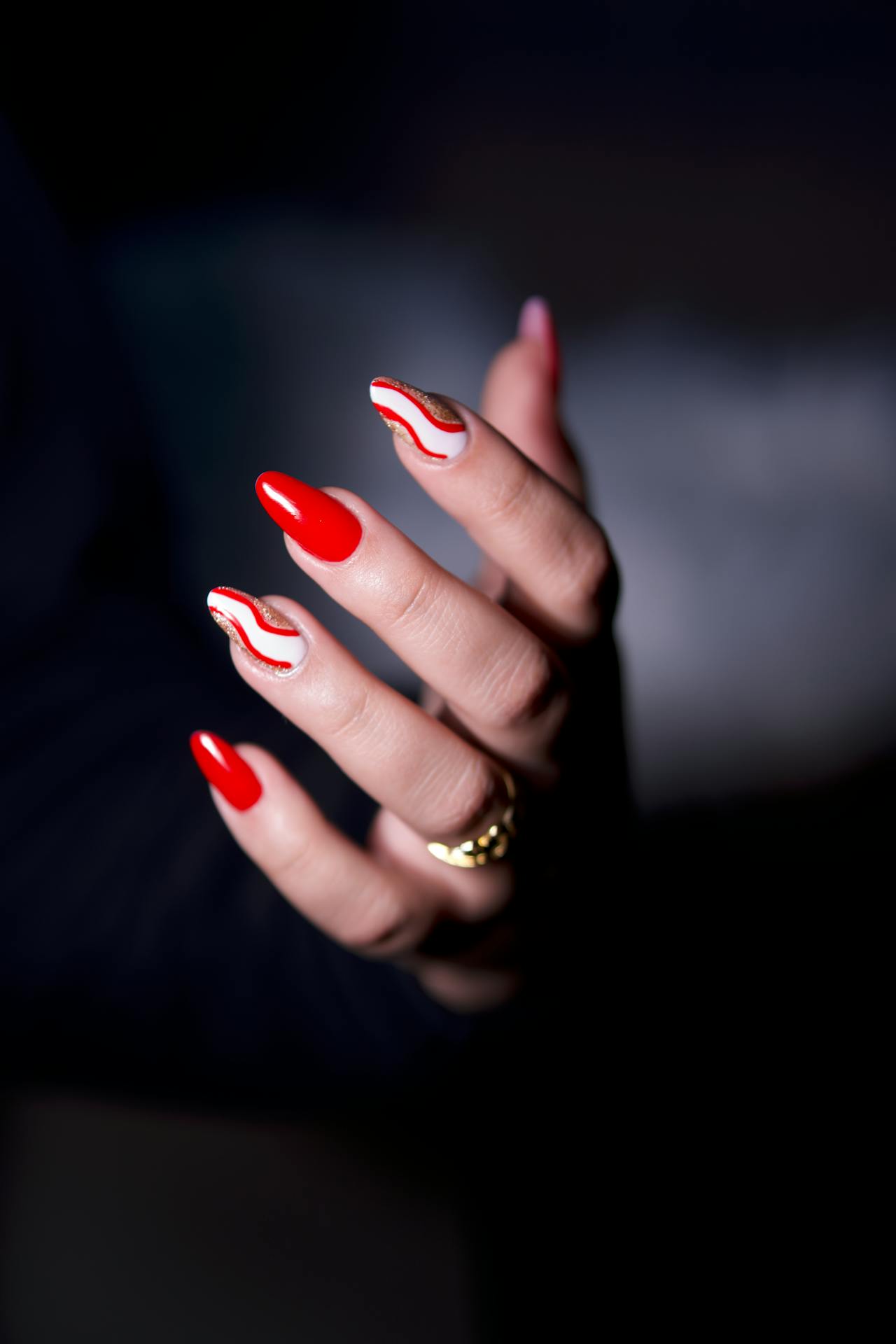
If you have noticed Russian manicures (sometimes called e-file or dry manicures) blowing up on TikTok, Reddit, and Reels in 2026, you are not imagining it. The technique — pioneered in Eastern Europe and now common across high-end nail studios in New York, LA, Miami, and Chicago — is one of the fastest-growing service categories in the My Nail Artists network of 900+ licensed nail technicians. It also comes with a learning curve, both for the technician and for the client. Here is what a first-time Russian manicure actually involves, what to ask before you book, and what to do (and not do) afterward.
What Is a Russian Manicure?
A Russian manicure is a dry, e-file-based manicure where the nail tech uses an electric file fitted with small ceramic, diamond, or carbide burrs to remove cuticles, sidewall skin, and hyponychium without soaking the nails or using a metal cuticle pusher to lift the cuticle. The result is a clean, almost surgical-looking nail bed that lets gel polish go right up to the cuticle line, which extends color longevity to 3 to 4 weeks before lift becomes visible. The technique requires significantly more training than a standard manicure — most reputable Russian manicurists complete 80 to 200 hours of dedicated e-file training plus a long apprenticeship.
How Long Does a Russian Manicure Take?
Plan for 90 to 150 minutes for your first appointment. The cuticle work alone takes 40 to 60 minutes because the tech is being precise about removing only what should be removed. Add 20 to 30 minutes for shaping, 15 minutes for gel base and color, and 5 to 10 for top coat and cap-and-cure. Subsequent appointments shorten to 75 to 100 minutes once the cuticle line is established and the tech knows your nails.
How Much Does a Russian Manicure Cost in 2026?
In major US metros, expect to pay $80 to $150 for a Russian manicure with gel polish in 2026. Studios in NYC's Lower Manhattan, LA's West Hollywood, and Miami's Wynwood can charge $150 to $250, especially when paired with custom nail art or extensions. Smaller cities and suburban studios typically run $70 to $110. Rates have climbed about 12 percent in 2026 because trained Russian manicurists are still in short supply — there are roughly 4,200 fully trained Russian manicurists across 80 US cities listed in the My Nail Artists directory, against rapidly growing demand.
What to Expect Step by Step
Your tech will start with a hand wash and sanitization — no soaking. They will examine your nails for length, growth pattern, and any breaks. Cuticle work follows: the tech uses a fine ceramic burr to lift the cuticle from the nail plate, then a slightly more aggressive burr to remove the loosened cuticle and sidewall skin. You will hear the e-file's high-pitched whir and feel a light buzzing — never sharp pain. Shaping comes next using a 100/180 grit file or e-file shaper. Then the tech will dehydrate the nail with a primer and acid-free bonder, apply gel base coat, color (usually two coats), and a glossy top coat, curing each layer under an LED lamp for 30 to 60 seconds.
Will It Hurt?
A Russian manicure should never hurt. Sharp pain or any sensation of the e-file digging into living tissue is a sign of poor technique and is the most common reason new clients abandon the service after one bad experience. With a properly trained tech, you will feel mild pressure, a slight tingle, and the buzz of the file, but no pain. About 8 percent of first-time clients report mild sensitivity around the sidewalls in the 24 hours after their first appointment, which fades quickly.
How to Prep for Your Appointment
Stop using cuticle oil for 24 hours before your appointment — too much oil makes it harder for the e-file to engage the dead skin. Skip lotion on your hands the morning of. If your nails are bitten or have hangnails, do not pick at them in the days leading up; the tech needs intact tissue to work cleanly. Bring a reference photo if you have a specific shape or design in mind, and arrive 5 to 10 minutes early to fill out a nail health intake.
Russian Manicure vs Other Manicure Types
| Service | Cuticle method | Avg duration | 2026 US price | Color longevity |
|---|---|---|---|---|
| Russian manicure (e-file) | Dry, e-file with ceramic burrs | 90 to 150 min | $80 to $150 | 3 to 4 weeks |
| Standard wet manicure | Soak + metal pusher + nipper | 30 to 50 min | $25 to $50 | 7 to 10 days (regular polish) |
| Gel manicure (wet) | Soak + metal pusher | 45 to 60 min | $35 to $65 | 2 to 3 weeks |
| Japanese manicure | Buff and minerals, no polish | 60 to 75 min | $60 to $120 | 2 to 4 weeks of shine |
| BIAB / structured manicure | Wet or dry prep | 60 to 90 min | $65 to $110 | 3 to 4 weeks |
What to Avoid Doing After
Avoid hot water (showers, dishwashing, hot tubs) for at least 2 hours after your appointment to let the gel fully harden. Skip oil-based hand creams for 24 hours — oils can break down a freshly cured top coat at the cuticle seal. Wear gloves for cleaning and gardening; the gel itself can withstand most household chemicals, but the cuticle area is sensitive in the first 48 hours. And do not pick at any lifted edges — book a 5-minute file-and-cap fix instead.
Red Flags at the Salon
Watch for these warning signs at your first Russian manicure. Tools used out of an unsealed pouch — properly autoclaved metal tools come in sealed pouches with a date printed on them; if you do not see the seal, ask. Heavy bleeding or bright red dots in the cuticle area mean the tech went too aggressive. Strong methacrylate or acrylic monomer smell with closed windows can signal poor ventilation; the EPA flagged poor salon ventilation as a worker health concern in 2024 guidance. Finally, a tech who refuses to wear a mask while drilling is doing themselves and you a disservice — Russian manicure dust contains keratin, gel polymer, and skin cell particles that should not be inhaled.
How Long Will It Last?
A Russian manicure with quality gel typically lasts 3 to 4 weeks before the cuticle grows out enough to look untidy. Some clients with slow nail growth and the right home care can stretch to 5 weeks, but rebooking at week 3 or 4 is the industry norm. Removing a Russian manicure should also be done in-salon — the gel is bonded so cleanly that improper removal at home is one of the leading causes of natural-nail thinning, and your tech can remove it in 15 minutes with no damage.
Is It Safe? Concerns Around Cuticle Removal
The American Academy of Dermatology has long cautioned against aggressive cuticle removal because the cuticle protects the matrix from bacterial and fungal entry. Russian manicurists work specifically with the eponychium and pterygium — the dead tissue extending onto the nail plate — and leave the living cuticle (the skin where the eponychium ends) intact. With a properly trained tech, this distinction is clean and safe. With an undertrained tech, it is not. This is the single biggest reason to verify your tech's training before booking.
How to Vet a Russian Manicurist
Ask three questions before booking. First, where did you train? Look for completion of an established e-file program — Olga Lukienkova Academy, Nail Trip, or in-house apprenticeships at established Russian-style studios are common. Second, can I see your portfolio across at least 30 days of recent work? Healthy nail beds and consistent cuticle work matter more than flashy nail art. Third, what is your sterilization protocol? You should hear the words autoclave, sealed pouches, and dated cycles.
What If You Want a More Natural Look?
You do not have to add gel color. Many clients book a Russian manicure followed by a single-layer base and a shine top coat (sometimes called a Japanese-Russian hybrid) for a clean, pinkish, completely natural finish that still lasts about 2 weeks. This option runs about $20 to $40 less than a full gel-color Russian manicure and is a popular choice for professional settings or upcoming photography work.
Bottom Line
A Russian manicure is the most precise manicure category currently available in the US market, with longer-lasting results, a cleaner cuticle line, and a higher price point reflecting the additional training and time involved. Book it if you value clean, photo-ready nails for 3 to 4 weeks at a stretch. Skip it if you have very thin natural nails, frequent flares of eczema or psoriasis around the nail folds, or you prefer the convenience of a 30-minute polish change. Whatever you decide, vet the tech before vetting the salon — Russian manicure outcomes are 90 percent skill and 10 percent equipment.
Discover More Top-Rated Services
Complement your nail salons experience with these related services:
Frequently asked questions
Is a Russian manicure safe?
How long does a Russian manicure last?
Will a Russian manicure damage my nails?
How much does a Russian manicure cost in 2026?
What is the difference between a Russian manicure and a regular gel manicure?
Should I get cuticle oil before or after a Russian manicure?
How do I find a properly trained Russian manicurist?
Will a Russian manicure hurt?
Can I do a Russian manicure if I have thin or weak nails?
What should I do if my Russian manicure lifts at the edges?
How is the e-file dust handled — is it safe to inhale?
How do I remove a Russian manicure at home?
Need a provider in Nationwide?
Browse our directory and book directly with local businesses.
Browse the directoryRelated articles
Best Nails in Arizona — 2026 Guide
Everything you need to know about nails & manicure in Arizona — from choosing the right service to finding providers locals actually recommend. Pricing, FAQs, and booking links included.
Best Nails in California — 2026 Guide
Everything you need to know about nails & manicure in California — from choosing the right service to finding providers locals actually recommend. Pricing, FAQs, and booking links included.
Best Nails in Florida — 2026 Guide
Everything you need to know about nails & manicure in Florida — from choosing the right service to finding providers locals actually recommend. Pricing, FAQs, and booking links included.